


New Method Enables Dyslexia Detection within Minutes
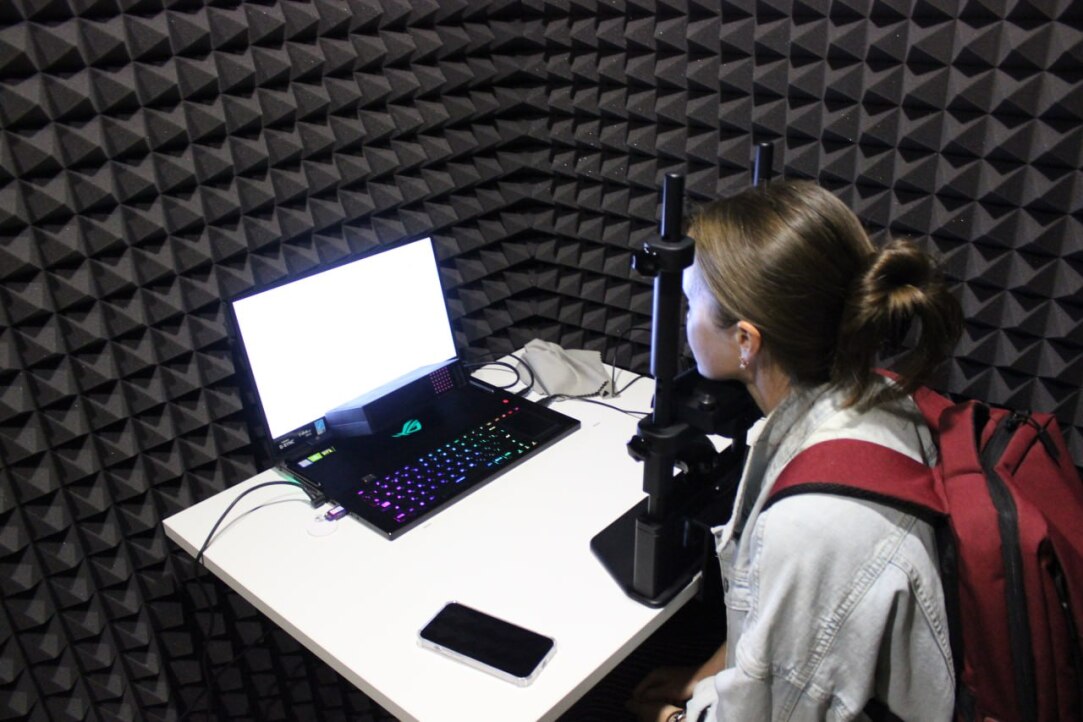
HSE scientists have developed a novel method for detecting dyslexia in primary school students. It relies on a combination of machine learning algorithms, technology for recording eye movements during reading, and demographic data. The new method enables more accurate and faster detection of reading disorders, even at early stages, compared to traditional diagnostic assessments. The results have been published in PLOS ONE.
HSE University and Adyghe State University Launch Digital Ethnolook International Contest
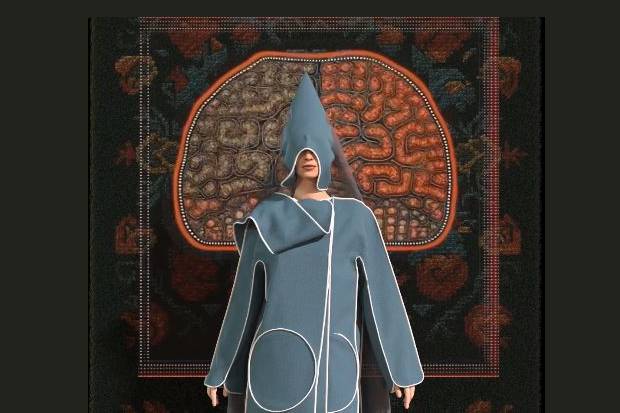
The HSE Centre for Language and Brain and the Laboratory of Experimental Linguistics at Adyghe State University (ASU) have launched the first Digital Ethnolook International Contest in the Brain Art / ScienceArt / EtnoArt format. Submissions are accepted until May 25, 2024.
Parietal Cortex Influences Risk-Taking Behaviour
Making decisions in situations involving risk and uncertainty is an inherent aspect of our daily lives. Should I obtain luggage insurance for my flight, cross the road when the light is red, or leave my current job for a new opportunity? Researchers at the HSE Institute for Cognitive Neuroscience conducted an experiment to clarify the role the parietal cortex plays in decision-making in the context of risk. They found that suppression of activity in the parietal cortex resulted in subjects being less inclined to take risks. A paper with the study findings has been published in Cerebral Cortex.

Cognitive Reappraisal of Negative Emotions Can Help Manage Stress
Researchers at the HSE International Laboratory of Social Neurobiology assessed the effectiveness of two strategies for regulating emotions: reappraisal and suppression. Having analysed data on the electrical activity of 60 individuals’ brains, the scientists discovered that both approaches put additional strain on the nervous system. It was also found that individuals who are prone to emotional contagion tend to be more effective in using reappraisal and managing negative emotions. The paper has been published in Experimental Brain Research.
Russian Researchers Unveil Mechanism Underlying Language Processing Disruptions in Epilepsy Patients
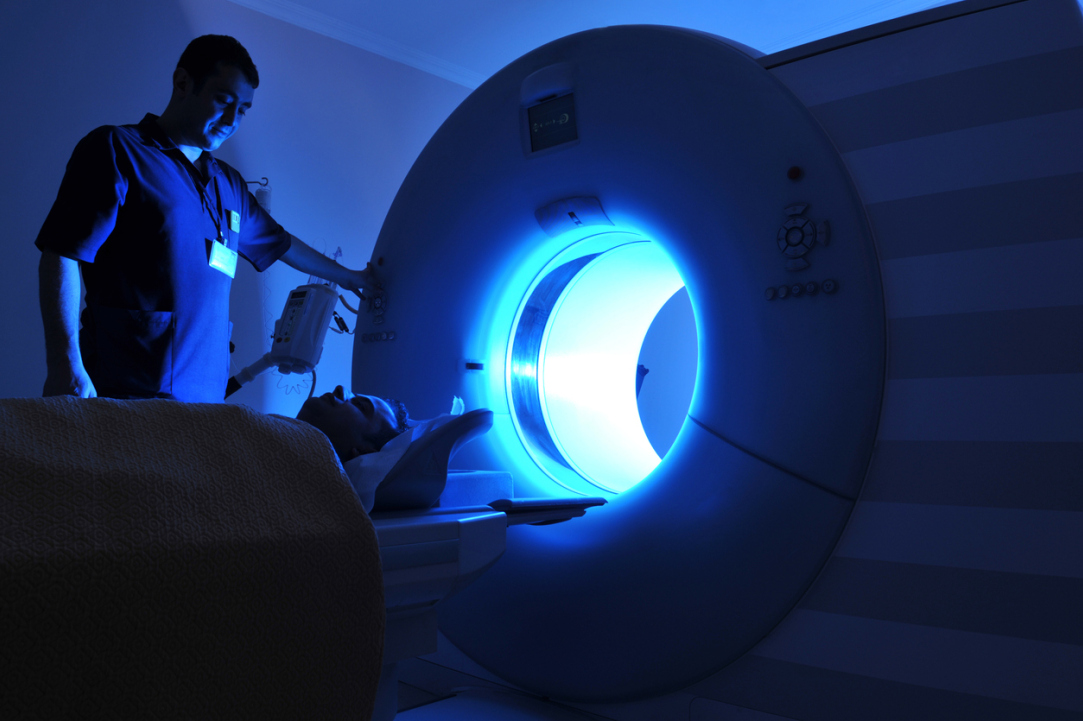
Researchers at HSE University and the Pirogov National Medical and Surgical Centre have examined alterations induced by epilepsy in the language-related neural network within the brain. Using graph-based analysis, the researchers studied fMRI data from 28 patients and found that in epilepsy, both hemispheres of the brain become activated during language processing and short connections form between the hemispheres, while long connections within one hemisphere are disrupted. The study has been published in Epilepsy&Behavior.
HSE Creates ‘Transfer of Neurocognitive Technologies’ Consortium
HSE, the Pirogov National Medical and Surgical Centre, and the Centre for Speech Pathology and Neurorehabilitation of the Moscow Healthcare Department have signed an agreement on cooperation and the creation of a ‘neuro-consortium’ under the name ‘Transfer of Neurocognitive Technologies’. The new body will boost the development and implementation of advanced solutions in neurotechnology aimed at maintaining and improving people's health. The agreement was signed for five years, and the consortium is open to new participants.
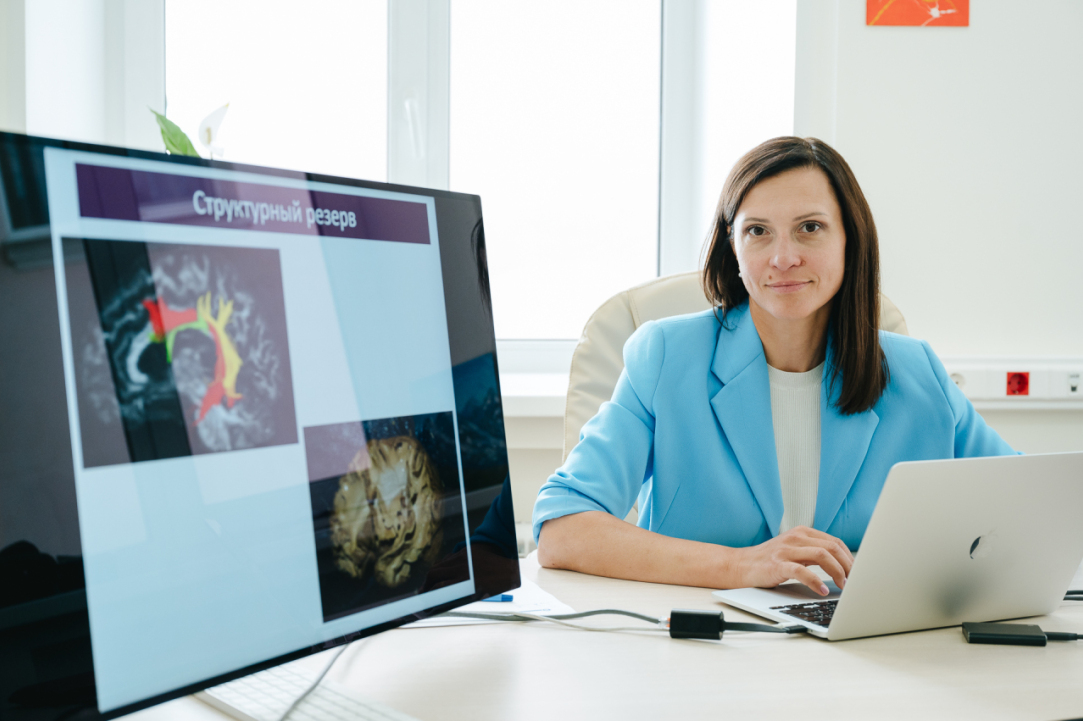
'While it May Sound Futuristic, It Holds Great Promise': Olga Dragoy Shares Her Thoughts on Language Function Restoration and the Future of Neurotechnology
In the spring of 2023, the fifth strategic project of the Priority 2030 programme, 'Human Brain Resilience: Neurocognitive Technologies for Adaptation, Learning, Development and Rehabilitation in a Changing Environment,' was launched at HSE University. The strategic project brings together researchers from all campuses of HSE University. In her interview with the HSE News Service, Olga Dragoy, head of the strategic project and Director of the HSE Centre for Language and Brain, shares an overview of the advanced technologies neuroscientists are creating today, the underlying inspiration driving these efforts, and the operational dynamics of interdisciplinary applied projects.
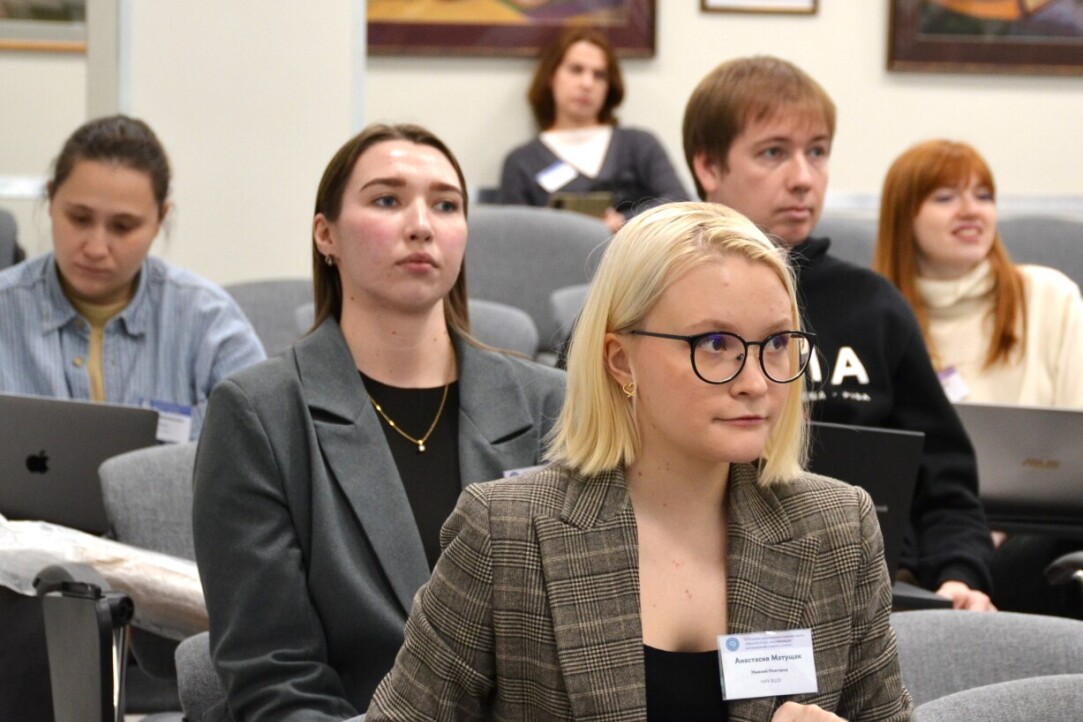
‘It Was Great to Look at Scientific Achievements through the Eyes of a Journalist, not a Scientist’
HSE University in Nizhny recently hosted the 2nd Autumn Neuro-linguistic School ‘NeuroSciCom: Popularising Language and Brain Studies’ for scientists and students at the HSE Centre for Language and Brain Studies in Nizhny Novgorod. The school was held as part of the 'Human Brain Resilience: Neurocognitive Technologies for Adaptation, Learning, Development and Rehabilitation in a Changing Environment' Strategic Project of the Priority 2030 programme.
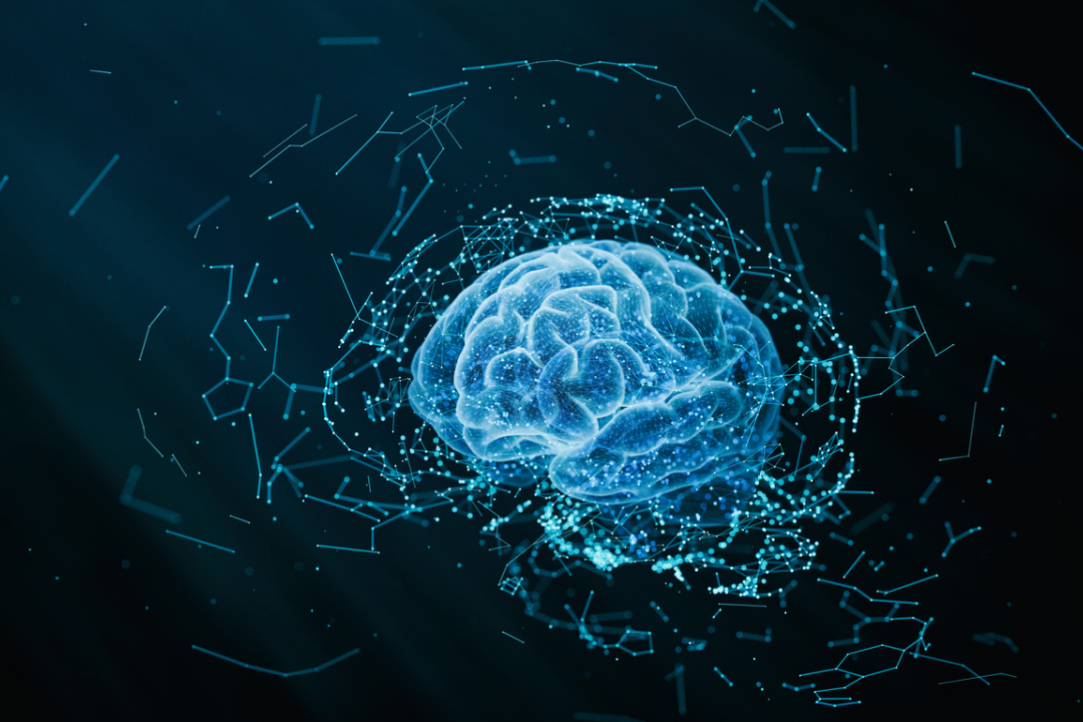
The Brain Is a Network of Networks. Scientists Have Found a Way to Unravel Them
A team of researchers from HSE University and the Artificial Intelligence Research Institute (AIRI) have demonstrated the effectiveness of the PSIICOS method they had previously developed for non-invasive mapping the neural networks in the brain based on its electrical activity. Unlike other methods, it does not search for individual neuronal sources to be then combined into networks but instead looks directly for the functional networks of interconnected neuronal populations—and does so swiftly and accurately. The study findings have been published in NeuroImage.
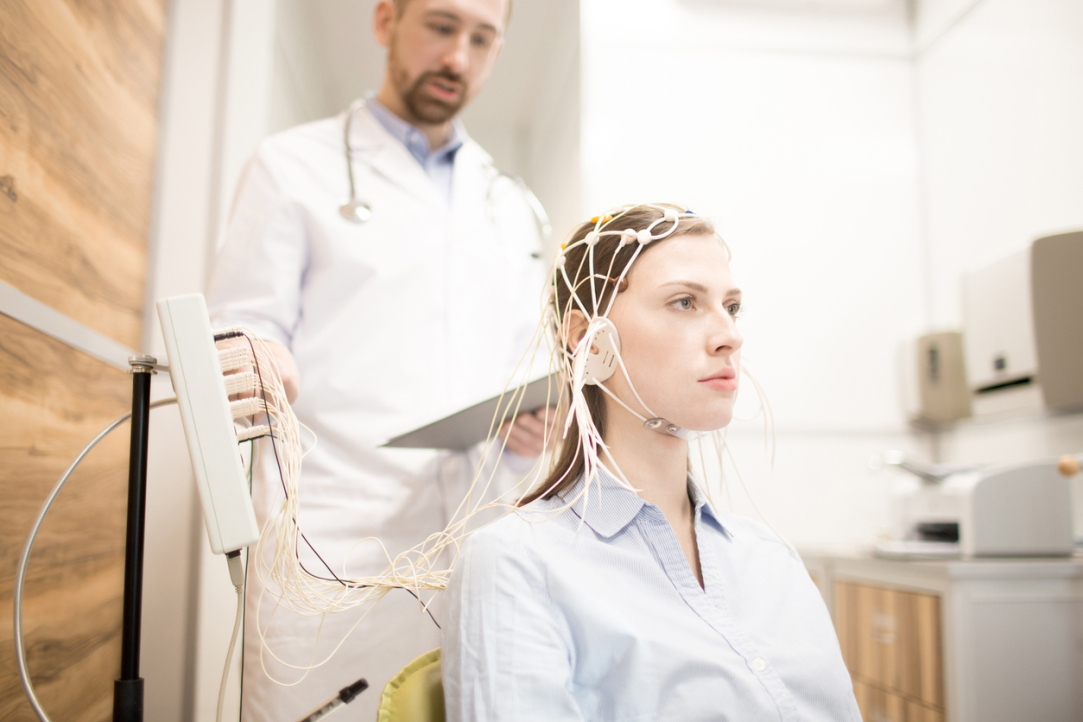
HSE Neuroscientists Use Neural Network to Enhance Neurofeedback Technology
Researchers from HSE University and the Artificial Intelligence Research Institute (AIRI) have successfully lowered the latency between a change in brain activity and the presentation of the corresponding neurofeedback signal by a factor of 50. The results were obtained by employing a neural network trained in low-latency filtering of brain activity signals from diverse individuals. This approach opens up new prospects for the treatment of attention deficit disorder and epilepsy. A paper with the study findings has been published in Journal of Neural Engineering.