

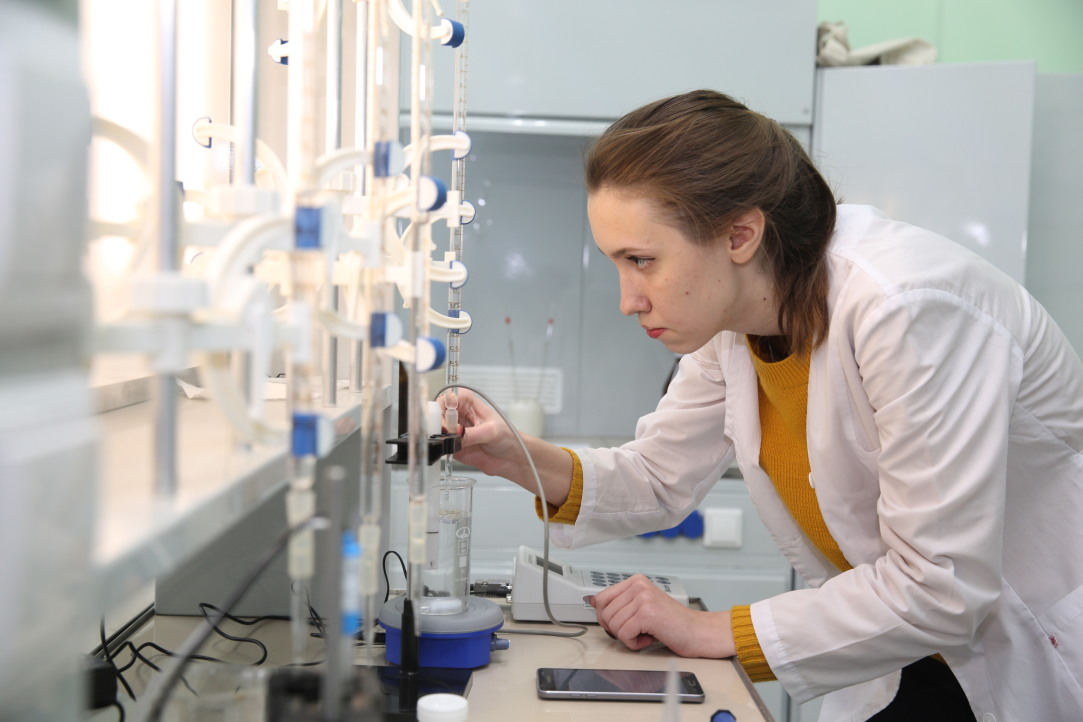
HSE ‘Mirror Laboratories’ Project Marks Five Years since Start
‘Mirror Laboratories’ is one of the flagship programmes of the HSE University aimed at developing domestic scientific partnerships. During the implementation of the project, 41 research projects were initiated in partnership with 30 regional universities and scientific organisations. A series of round tables timed to coincide with the fifth anniversary of the ‘Mirror Laboratories’ project, were held at the HSE University on April 24–25, 2024.
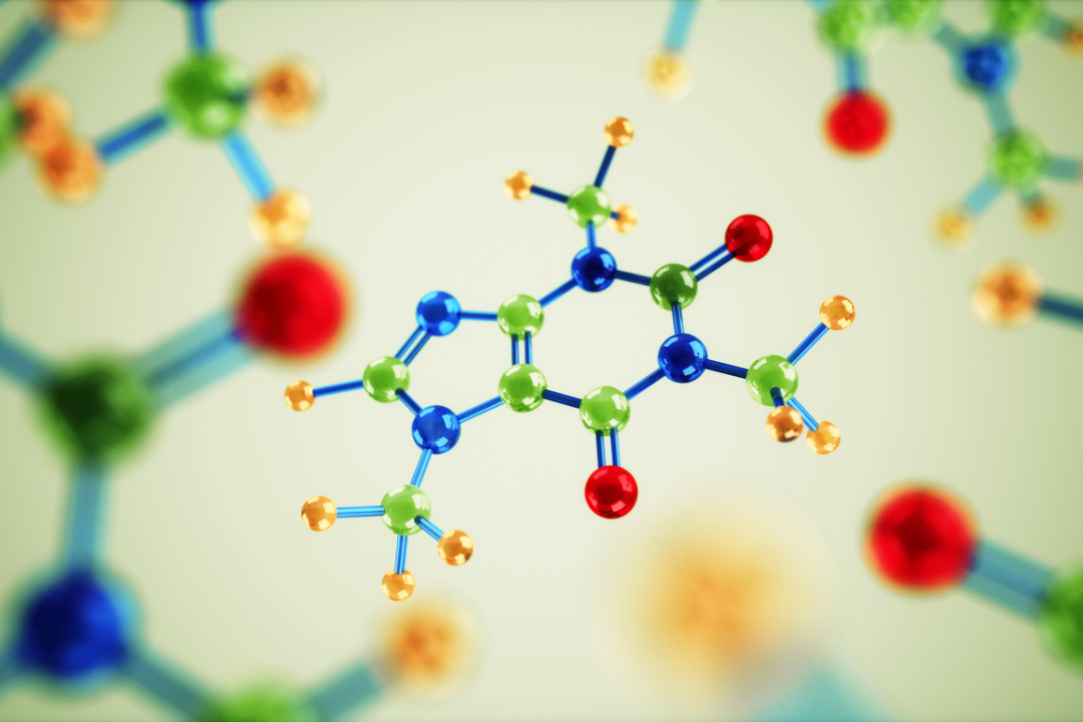
Russian Chemists Develop Luminous Pseudosandwich Composed of Rare Earth Metals
A team of Russian researchers has successfully synthesised a new class of complex compounds of rare earth elements. Unlike other lanthanide compounds, the resulting substances are highly soluble in most organic solvents. These novel compounds can find application in organic and organometallic synthesis, as well as in the production of new luminescent materials. The study has been published in Inorganic Chemistry.
Commitment to a Healthy Lifestyle Varies across Russian Regions
Economists at HSE University have assessed the impact of smoking, alcohol consumption and sports participation on life expectancy in Russia. These factors were found to vary significantly across regions; therefore, efforts to promote healthy lifestyles in each region should take into account local characteristics. The paper has been published in Public Health.
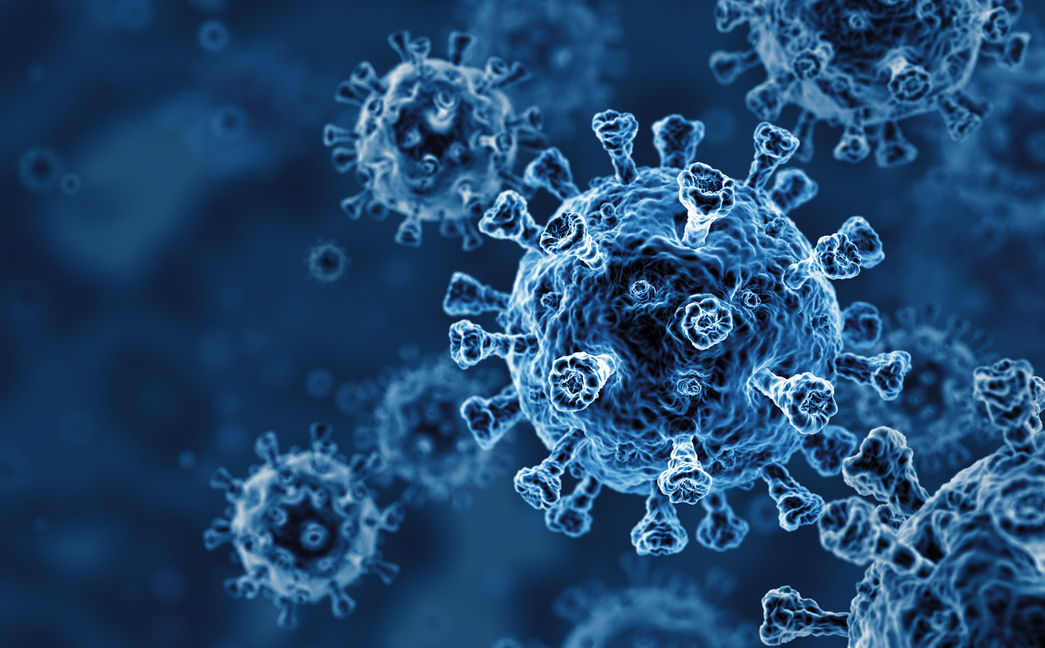
Immortal Cells and Mathematics Reveal Mechanism behind Coronavirus Infection
A mathematical model has helped describe the course of infection caused by two variants of coronavirus: Omicron and Delta, and explain the differences between them. It appears that the cell entry rate is lower for Omicron, allowing infected cells ample time to alert neighbouring cells of the threat and trigger the activation of their innate immune response. In the future, the developed model could be employed to investigate any other variant of COVID-19, potentially leading to effective strategies for combating new hazardous strains, such as Pirola and JN.1. The findings from the study conducted with the participation of HSE researchers have been published in PeerJ.

Workaholism Helps Young Narcissists Boost New Venture Performance
An international team of researchers including Professor Galina Shirokova, Director of the Strategic Entrepreneurship Centre at HSE University in St Petersburg, and her students Nailya Galieva and Diana Doktorova, examined the impact of narcissism on young entrepreneurs' success. The authors have demonstrated that a company founder's workaholism can amplify the influence of narcissism on a new venture's performance.
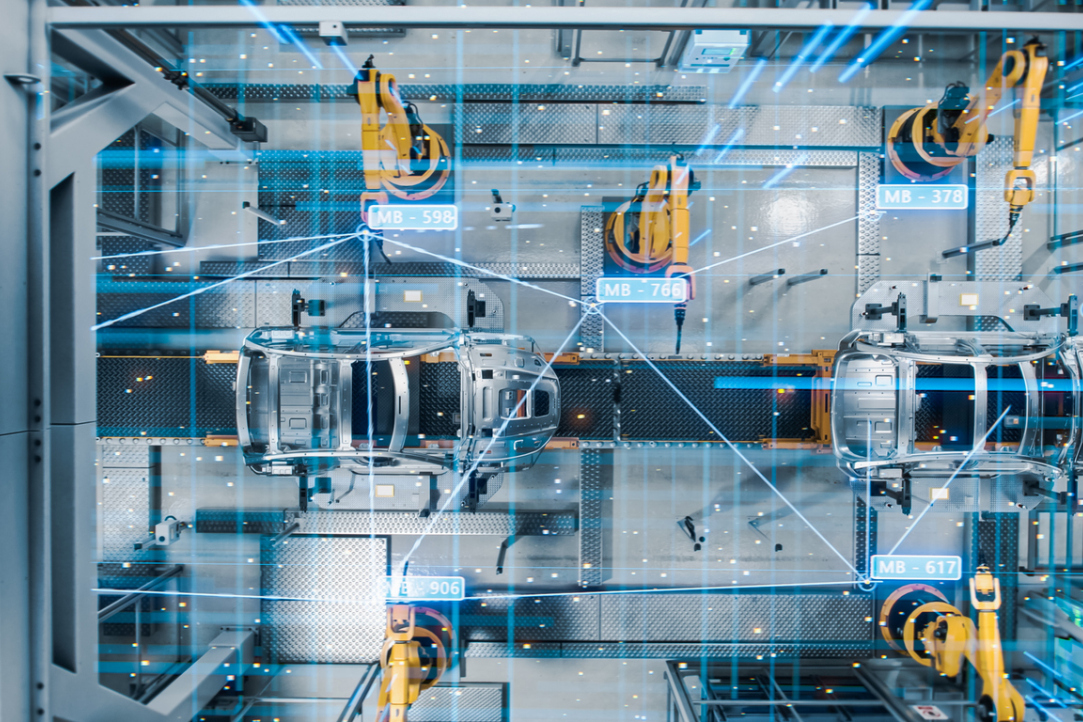
Production of the Future: AI Research Centre Presents Its Developments in Manual Operations Control Systems
Researchers from the HSE AI Research Centre have built a system for the automated control of manual operations, which finds application in industrial production. The system facilitates the process of monitoring objects and actions, as well as controlling the quality of their execution.
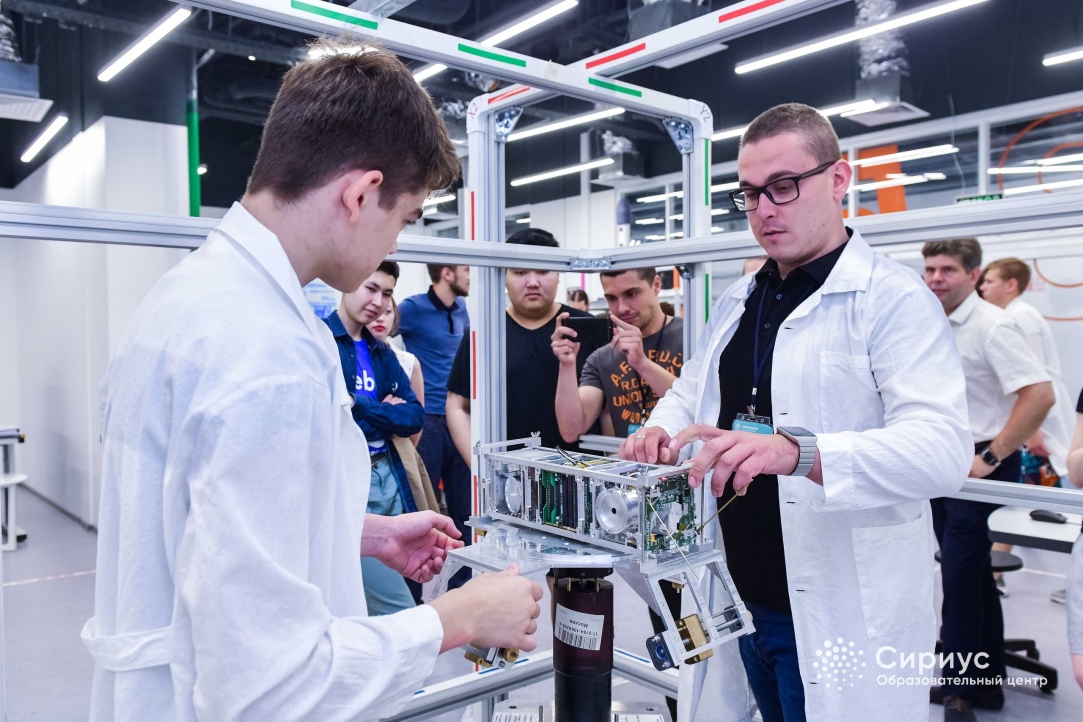
HSE University Satellites: Three Years in Orbit
In March 2024, HSE University celebrated an important milestone — the third anniversary of the successful operation in orbit of its first CubeSX-HSE and CubeSX-Sirius-HSE satellites. These spacecraft, created on the basis of the CubeSat platform for Earth observation, continue to function actively, confirming high technological standards and reliability of the university's developments.
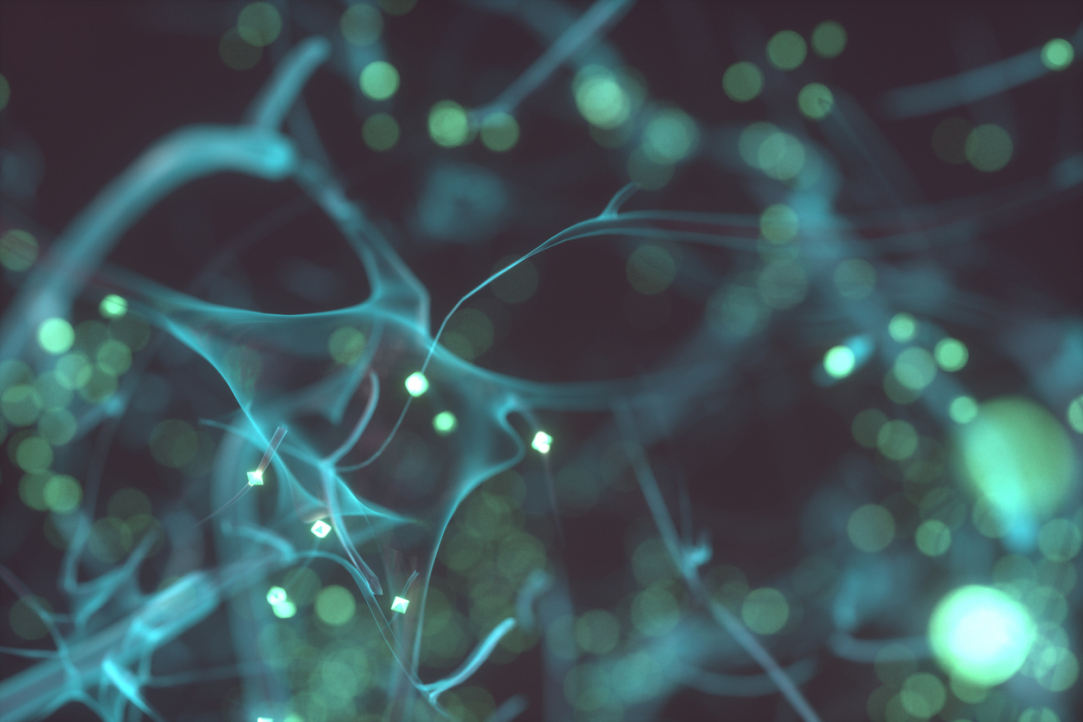
Mathematicians Reveal the Mechanism behind Neuron Synchronisation: Hyperchaos
Scientists of the International Laboratory of Dynamic Systems and Applications at HSE Campus in Nizhny Novgorod have described a rare case of synchronisation in a system of chemically coupled neuron models. The study findings enable a mathematical description of atypical brain functioning modes, including those associated with neurodegenerative diseases. The study has been published in Regular and Chaotic Dynamics.

Russian Scientists Pioneer Accurate Mathematical Description of Quantum Dicke Battery
Physicists at HSE University and NUST MISIS have formulated and solved equations for a quantum battery, a device capable of storing energy in the form of light. Their findings will facilitate precise calculations of the capacity, power, and duration required for optimal battery charging. Quantum batteries are expected to improve the performance of solar panels and electric vehicles, while also opening up new avenues for efficient energy transfer. The study has been published in Physical Review A.

Inverse Relationship Found between Propensity to Innovate and Academic Success
Mariia Evdokimova and Anastasia Stepanova, employees of HSE University’s Faculty of Economic Sciences, studied the connection between students’ personal characteristics and their desire to create something new. The researchers have found that students’ propensity to innovate lowers their GPA. The results of the work were published in the preprint ‘Students’ Propensity to Innovate: Correlates, Determinants, and Impact on GPA.’